
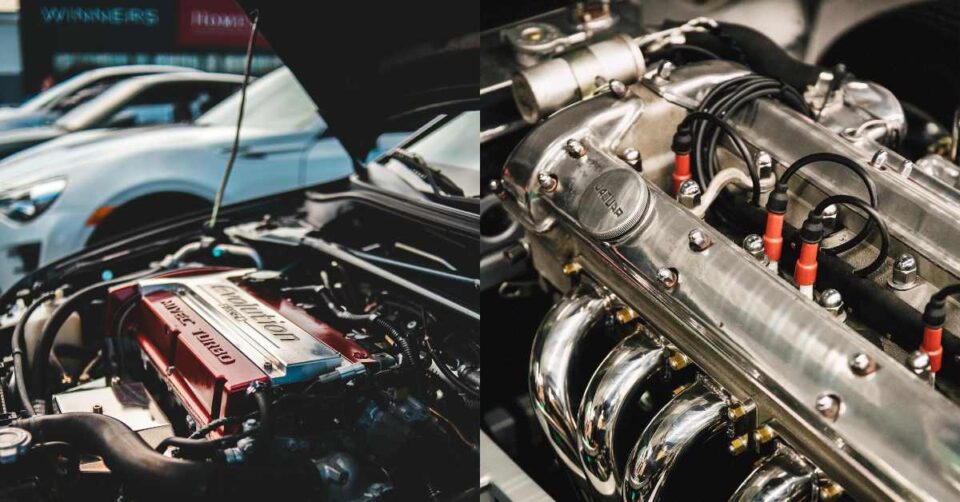
Introduction
Altitude has a major influence on how an engine performs. Whether you drive through mountain roads in Colorado or travel across high-elevation desert highways, changes in air density directly affect combustion, horsepower, fuel economy, and engine efficiency. Drivers often notice reduced acceleration and weaker throttle response at higher elevations, especially in vehicles powered by naturally aspirated engines.
Turbocharged engines react differently because they use forced induction to compensate for thinner air. While they are not completely immune to altitude-related performance loss, they typically maintain power far better than naturally aspirated engines.
Understanding how altitude impacts both engine types helps drivers make better decisions when buying vehicles, towing loads, tuning engines, or planning long-distance trips through mountainous regions.
Understanding Air Density and Altitude
Air density decreases as altitude increases. At sea level, the atmosphere contains more oxygen molecules packed into every cubic foot of air. As elevation rises, the air becomes thinner and contains less oxygen.
Internal combustion engines rely on oxygen for combustion. When less oxygen enters the combustion chamber, the engine burns less fuel, which reduces power output.
For every 1,000 feet of elevation gain, air density drops by approximately 3 percent. This means engines operating at 10,000 feet above sea level experience a substantial reduction in available oxygen.
Key effects of reduced air density include:
- Lower horsepower
- Reduced torque
- Slower throttle response
- Changes in air-fuel ratios
- Reduced cooling efficiency
- Increased turbocharger workload
The impact varies significantly depending on whether the engine is naturally aspirated or turbocharged.
How Naturally Aspirated Engines Work
A naturally aspirated engine relies entirely on atmospheric pressure to draw air into the combustion chamber. There is no turbocharger or supercharger forcing additional air into the engine.
During the intake stroke, the downward movement of the piston creates a vacuum that pulls air into the cylinder. Because the engine depends on surrounding atmospheric pressure, any reduction in air density immediately affects performance.
Naturally aspirated engines are common in:
- Economy cars
- Older vehicles
- Some sports cars
- Motorcycles
- Small trucks and SUVs
These engines are often praised for:
- Linear throttle response
- Simpler mechanical design
- Lower maintenance costs
- Improved reliability in some applications
However, altitude exposes one of their biggest weaknesses.
Why Naturally Aspirated Engines Lose Power at High Altitude
At higher elevations, naturally aspirated engines struggle because less oxygen enters the cylinders during each intake cycle.
Since combustion depends on oxygen, the engine control unit reduces fuel delivery to maintain the proper air-fuel ratio. Less fuel and less oxygen produce smaller combustion events, which lowers power output.
A naturally aspirated engine can lose approximately:
- 3 percent of horsepower per 1,000 feet
- 15 percent at 5,000 feet
- Nearly 30 percent at 10,000 feet
For example, a vehicle producing 300 horsepower at sea level may generate only around 210 horsepower at 10,000 feet.
Drivers commonly experience:
- Sluggish acceleration
- Difficulty passing on highways
- Reduced towing capability
- Increased downshifting on hills
- Lower top speed
This performance drop becomes especially noticeable in heavy vehicles such as trucks and SUVs.
Effects on Fuel Economy in Naturally Aspirated Engines
Fuel economy at high altitude can produce mixed results.
In some situations, naturally aspirated engines may consume less fuel because the engine produces less power and burns less gasoline. However, drivers often compensate by pressing the throttle harder to maintain speed.
Additional factors influencing fuel economy include:
- Steeper terrain in mountainous areas
- More frequent gear changes
- Increased engine strain
- Reduced aerodynamic drag at high altitude
Modern engine management systems help optimize efficiency, but fuel economy improvements are usually modest.
How Altitude Affects Engine Cooling
High altitude also affects cooling performance.
Thinner air removes heat less efficiently from:
- Radiators
- Intercoolers
- Engine oil coolers
- Brake systems
Naturally aspirated engines may experience higher operating temperatures when climbing steep grades because the cooling system has less dense air available for heat transfer.
This issue becomes more severe in:
- Hot weather
- Heavy towing situations
- Off-road driving
- Long uphill climbs
Drivers should monitor coolant temperatures carefully when traveling at elevation.
How Turbocharged Engines Work
Turbocharged engines use a turbine-driven compressor to force additional air into the engine.
The turbocharger is powered by exhaust gases. As exhaust spins the turbine, the compressor forces compressed air into the intake manifold.
This allows the engine to:
- Burn more fuel
- Produce more power
- Increase torque
- Improve efficiency
Unlike naturally aspirated engines, turbocharged engines are not completely dependent on atmospheric pressure.
Because the turbocharger compresses incoming air, it can partially compensate for reduced oxygen levels at higher elevations.
Turbocharged engines are now widely used in:
- Performance cars
- Diesel trucks
- Luxury vehicles
- Compact SUVs
- Modern fuel-efficient sedans
Why Turbocharged Engines Perform Better at High Altitude
Turbocharged engines maintain performance more effectively because the turbocharger increases intake air pressure.
When air density decreases at higher elevation, the turbocharger spins faster to maintain target boost pressure. This helps preserve oxygen levels entering the cylinders.
As a result, turbocharged engines typically lose far less power than naturally aspirated engines.
A turbocharged engine may lose:
- 1 to 2 percent of power per 1,000 feet
- Sometimes even less with advanced boost control systems
For example, a turbocharged vehicle producing 300 horsepower at sea level may still generate around 260 to 280 horsepower at 10,000 feet.
This creates several advantages:
- Stronger uphill acceleration
- Better towing capability
- Improved passing power
- More consistent driving feel
- Reduced need for downshifting
Drivers traveling frequently through mountainous regions often prefer turbocharged engines for these reasons.
Turbocharger Limitations at High Altitude
Although turbocharged engines perform better at altitude, they are not immune to physics.
As elevation increases, the turbocharger must work harder to compress thinner air. This creates additional stress on turbo components.
Potential issues include:
- Increased turbocharger speed
- Higher intake temperatures
- Reduced intercooler efficiency
- Greater thermal stress
- Potential turbo lag
Most modern turbo systems are engineered to handle these conditions safely, but extreme altitude can still reduce maximum performance.
At very high elevations above 12,000 feet, some turbocharged engines may struggle to maintain full boost because the turbocharger reaches its operational limits.
Intercoolers and High Altitude Performance
Turbocharged engines often use intercoolers to cool compressed intake air.
Compressed air becomes hotter, and hot air contains less oxygen density. Intercoolers reduce intake temperatures to improve combustion efficiency.
However, thinner air at altitude reduces intercooler effectiveness.
This means:
- Intake temperatures may rise faster
- Engine management systems may reduce boost
- Power output may decrease slightly
- Heat soak can become more noticeable
Large front-mounted intercoolers help minimize these issues.
Diesel Engines and Altitude
Diesel engines respond differently to altitude than gasoline engines.
Turbocharged diesel engines generally perform exceptionally well at elevation because they rely heavily on boost pressure.
Many modern diesel trucks maintain strong torque at high altitude, making them ideal for:
- Mountain towing
- Commercial hauling
- Off-road driving
- High-elevation travel
Naturally aspirated diesel engines, however, experience similar power losses to naturally aspirated gasoline engines.
Older diesel trucks without turbochargers often feel extremely sluggish at elevation.
Carbureted vs Fuel-Injected Engines at High Altitude
Older carbureted engines suffer more at altitude than modern fuel-injected engines.
Carburetors struggle to automatically compensate for changes in air density. This can create overly rich air-fuel mixtures.
Common problems include:
- Rough idle
- Poor fuel economy
- Black exhaust smoke
- Hesitation during acceleration
- Fouled spark plugs
Modern fuel injection systems use sensors such as:
- Mass airflow sensors
- Oxygen sensors
- Manifold absolute pressure sensors
These systems continuously adjust fuel delivery for changing altitude conditions.
As a result, modern engines operate far more efficiently in mountainous environments.
Altitude and Engine Tuning
Performance tuning becomes more complicated at higher elevations.
Engine calibrations designed for sea level may not work properly in mountain regions.
Tuners often adjust:
- Ignition timing
- Boost pressure
- Fuel mapping
- Air-fuel ratios
- Wastegate control
High-altitude tuning aims to:
- Reduce detonation risk
- Improve throttle response
- Maintain reliability
- Optimize power delivery
Turbocharged engines offer greater tuning flexibility because boost pressure can be adjusted to compensate for thinner air.
Best Engine Choice for High Altitude Driving
Choosing between naturally aspirated and turbocharged engines depends on driving conditions and priorities.
Naturally Aspirated Engines Are Better For:
- Simpler maintenance
- Long-term durability
- Lower repair costs
- Predictable throttle response
- Drivers staying near sea level
Turbocharged Engines Are Better For:
- Mountain driving
- Towing at elevation
- Consistent performance
- Higher efficiency from smaller engines
- High-altitude daily commuting
For drivers living in mountainous states or regions, turbocharged engines often provide a more satisfying driving experience.
Tips for Driving at High Altitude
Drivers can reduce altitude-related performance issues with proper preparation.
Important tips include:
- Keep the cooling system in excellent condition
- Use manufacturer-recommended fuel grades
- Monitor engine temperatures carefully
- Avoid excessive loads when climbing steep grades
- Maintain proper tire pressure
- Service turbochargers regularly
- Replace air filters on schedule
For naturally aspirated vehicles, drivers should expect reduced acceleration and allow additional distance for passing maneuvers.
The Future of High Altitude Engine Performance
Modern automotive technology continues improving altitude compensation.
Manufacturers now use:
- Advanced turbocharging systems
- Variable geometry turbochargers
- Electrically assisted turbos
- Adaptive engine mapping
- Improved intercoolers
- Sophisticated engine sensors
Hybrid and electric vehicles also reduce altitude-related power loss concerns because electric motors are less affected by air density.
As emissions regulations push automakers toward smaller turbocharged engines, high-altitude performance is improving across many vehicle categories.
Conclusion
Altitude significantly affects engine performance because thinner air contains less oxygen for combustion. Naturally aspirated engines experience substantial horsepower loss as elevation increases, leading to slower acceleration, reduced towing capability, and weaker overall performance.
Turbocharged engines handle high altitude far more effectively by compressing intake air and maintaining oxygen flow into the combustion chamber. Although turbocharged engines still face limitations at extreme elevations, they retain much more power and provide a more consistent driving experience.
Modern fuel injection systems, advanced turbo technology, and sophisticated engine management have improved high-altitude drivability dramatically. For drivers who regularly travel through mountains or live at elevation, turbocharged engines often deliver the best balance of power, efficiency, and everyday usability.
FAQ
1. Why do cars feel slower in the mountains?
Cars feel slower at high altitude because thinner air contains less oxygen. Engines cannot burn as much fuel during combustion, which reduces horsepower and torque.
2. Do turbocharged engines completely eliminate altitude power loss?
No. Turbocharged engines reduce power loss significantly, but they still lose some performance because the turbocharger must work harder in thinner air.
3. Are naturally aspirated engines more reliable than turbocharged engines?
Naturally aspirated engines are generally mechanically simpler and may have lower long-term maintenance costs. However, modern turbocharged engines are highly reliable when properly maintained.
4. Does high altitude affect fuel octane requirements?
Some high-altitude regions sell lower-octane fuel because reduced air density lowers the risk of engine knock in naturally aspirated engines.
5. Can high altitude damage a turbocharger?
Normal high-altitude driving does not usually damage a turbocharger. However, extreme heat, poor maintenance, or excessive tuning can increase stress on turbo components.
6. Why do diesel trucks perform well in mountain regions?
Most modern diesel trucks use turbochargers that help maintain torque and power at elevation. Diesel engines also produce strong low-end torque for climbing steep grades.
7. Do electric vehicles lose power at high altitude?
Electric vehicles are much less affected by altitude because electric motors do not rely on oxygen for combustion. However, cold temperatures in mountainous regions can still impact battery performance.
