
Introduction
Human computer interaction has evolved dramatically over the past several decades. Early computing systems relied almost entirely on keyboards and command-line interfaces. Later, graphical user interfaces transformed digital experiences by introducing visual navigation and mouse-based interaction. The rise of smartphones then introduced touch-based computing that reshaped how people communicate with technology.
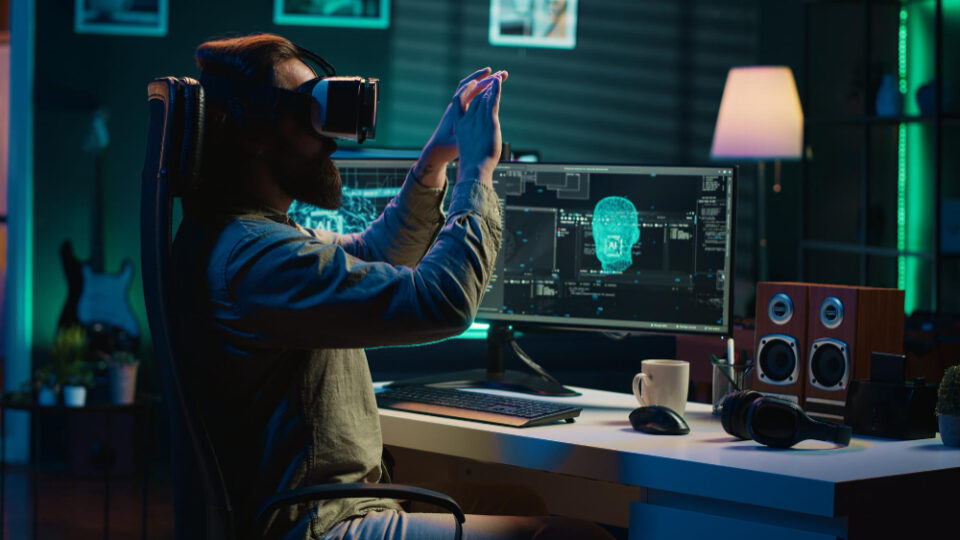
Today, a new shift is underway. Multimodal artificial intelligence models are redefining how humans interact with machines by allowing computers to process and respond to multiple forms of input simultaneously. Instead of relying solely on typed text or isolated voice commands, modern AI systems can understand combinations of text, speech, images, video, gestures, and even contextual environmental data.
This development is making technology more intuitive, accessible, responsive, and human-like. Multimodal models are not simply improving existing interfaces. They are changing the entire foundation of digital interaction across industries including healthcare, education, customer service, entertainment, manufacturing, and personal computing.
As these systems become more advanced, the relationship between humans and computers is shifting from rigid command structures toward natural communication.
What Are Multimodal Models?
Multimodal models are artificial intelligence systems designed to process and integrate multiple types of data at the same time.
Traditional AI systems often specialize in a single type of input, such as:
- Text-only language models
- Speech recognition systems
- Image classification software
- Video analysis tools
Multimodal systems combine several of these capabilities into a unified model.
For example, a multimodal AI system may:
- Analyze an uploaded image
- Understand spoken instructions
- Read accompanying text
- Generate visual or verbal responses
- Interpret contextual cues
This allows the system to understand information more similarly to how humans process the world through multiple senses simultaneously.
Why Multimodal Interaction Matters
Human communication is naturally multimodal. People do not rely on words alone to understand each other. Communication often includes:
- Facial expressions
- Tone of voice
- Body language
- Visual references
- Gestures
- Environmental context
Traditional computer interfaces forced users to adapt to machine limitations by interacting through narrow input methods.
Multimodal AI reverses this relationship by allowing computers to adapt more naturally to human behavior.
This creates several advantages:
- More intuitive interaction
- Reduced friction
- Faster communication
- Greater accessibility
- Improved contextual understanding
As a result, technology becomes easier and more natural for users across varying skill levels.
How Multimodal Models Improve User Experience
More Natural Conversations
Voice assistants previously struggled with complex or contextual interactions because they relied mainly on speech recognition without deeper environmental understanding.
Multimodal systems improve this by combining voice with visual and contextual information.
For example, a user might ask:
“Can you explain what is wrong with this device?”
While simultaneously showing the AI a picture or live camera feed.
The system can analyze the visual input, interpret the spoken question, and provide a more accurate answer.
This creates a smoother and more human-like interaction experience.
Reduced Cognitive Load
Traditional interfaces often require users to navigate menus, type commands, or search manually for information.
Multimodal systems simplify these processes by allowing users to communicate naturally using combinations of:
- Speech
- Images
- Gestures
- Text
- Visual references
This reduces the effort required to complete tasks and improves usability.
Better Context Awareness
Understanding context is one of the most important aspects of effective communication.
Multimodal AI systems can gather context from multiple data sources simultaneously.
For example, an AI assistant may combine:
- Calendar information
- Voice tone
- Location data
- Screen activity
- Visual surroundings
This broader understanding helps systems generate more relevant and personalized responses.
The Role of Computer Vision in Human Interaction
Computer vision plays a major role in multimodal AI systems.
Computer vision allows machines to:
- Recognize objects
- Interpret facial expressions
- Detect gestures
- Analyze scenes
- Track movement
When combined with language understanding, these capabilities enable richer interactions.
Gesture-Based Interfaces
Gesture recognition is becoming increasingly important in multimodal computing environments.
Users can interact with systems through:
- Hand movements
- Facial gestures
- Eye tracking
- Body positioning
This is particularly valuable in:
- Virtual reality environments
- Smart homes
- Automotive systems
- Medical applications
Gesture-based interaction reduces dependence on keyboards and touchscreens.
Emotion Recognition
Some multimodal systems can analyze facial expressions and vocal patterns to identify emotional states.
This may help applications:
- Adjust customer service responses
- Improve mental health support
- Enhance educational tools
- Personalize digital experiences
Although emotion recognition remains technically and ethically complex, it highlights the growing sophistication of human-computer interaction.
How Multimodal AI Is Transforming Accessibility
Accessibility is one of the most important benefits of multimodal computing.
Traditional interfaces often create barriers for individuals with disabilities. Multimodal systems provide more flexible ways to interact with technology.
Support for Visual Impairments
AI systems can describe images, environments, and digital content through voice narration.
Users with visual impairments may benefit from:
- Real-time scene descriptions
- Object identification
- Navigation assistance
- Text-to-speech conversion
Support for Hearing Impairments
Speech recognition combined with text generation enables real-time captioning and transcription services.
Multimodal tools may also support sign language interpretation through computer vision technologies.
Adaptive Interaction Methods
Users can choose the communication methods that work best for them, including:
- Voice commands
- Touch interfaces
- Eye tracking
- Gesture controls
- Text input
This flexibility creates more inclusive digital environments.
Applications Across Industries
Multimodal AI is influencing a wide range of industries.
Healthcare
Healthcare systems increasingly use multimodal AI for:
- Medical imaging analysis
- Voice-based documentation
- Patient monitoring
- Clinical decision support
Doctors may interact with systems using both spoken instructions and visual medical data.
Multimodal systems can improve efficiency and reduce administrative workload.
Education
Educational platforms are becoming more interactive through multimodal learning tools.
AI-powered systems can combine:
- Visual explanations
- Spoken guidance
- Interactive simulations
- Personalized feedback
This supports different learning styles and improves engagement.
Customer Service
Businesses are deploying multimodal AI assistants that can process:
- Voice calls
- Chat conversations
- Uploaded photos
- Product screenshots
For example, a customer can show a damaged product through a smartphone camera while explaining the issue verbally.
This improves support accuracy and speeds up issue resolution.
Automotive Technology
Modern vehicles increasingly include multimodal interfaces that combine:
- Voice control
- Touchscreens
- Gesture recognition
- Driver monitoring systems
These technologies improve safety and reduce driver distraction.
Retail and E Commerce
Retailers use multimodal systems to create more personalized shopping experiences.
Customers may:
- Upload images to search for products
- Use voice assistants for recommendations
- Interact with virtual fitting systems
- Receive AI-generated visual suggestions
This creates a more immersive digital shopping environment.
Challenges Facing Multimodal Systems
Despite their advantages, multimodal models also present several challenges.
Data Complexity
Processing multiple forms of data simultaneously requires enormous computational resources.
Systems must synchronize:
- Audio
- Video
- Text
- Sensor information
- Environmental context
Managing this complexity remains technically demanding.
Privacy Concerns
Multimodal systems often collect large amounts of sensitive personal data.
This may include:
- Facial images
- Voice recordings
- Behavioral patterns
- Location data
- Emotional indicators
Protecting user privacy and ensuring responsible data handling are major concerns.
Bias and Accuracy Issues
AI systems may misinterpret visual or verbal information due to biased training data or environmental limitations.
Errors in multimodal interpretation can affect:
- Medical decisions
- Security systems
- Hiring tools
- Customer interactions
Developers must carefully evaluate fairness, accuracy, and reliability.
Ethical Considerations
As AI systems become more human-like, ethical questions become increasingly important.
Concerns include:
- Emotional manipulation
- Surveillance risks
- Consent for biometric data use
- Transparency in AI decision-making
Organizations must balance innovation with ethical responsibility.
How Multimodal Models Change Interface Design
Traditional software design focused heavily on screens, buttons, and menus.
Multimodal AI shifts interface design toward conversational and contextual interaction.
Interfaces Become More Invisible
Future interfaces may rely less on visible controls and more on natural communication.
Users may interact through:
- Conversation
- Eye movement
- Gestures
- Environmental awareness
This creates more seamless digital experiences integrated into everyday life.
Personalized Experiences Increase
Multimodal systems can adapt dynamically based on user behavior and preferences.
For example, systems may automatically adjust communication styles depending on:
- User mood
- Accessibility needs
- Previous interactions
- Environmental conditions
This level of personalization was difficult with traditional interfaces.
The Future of Human Computer Interaction
The future of computing will likely involve increasingly multimodal experiences.
Emerging technologies such as:
- Augmented reality
- Virtual reality
- Wearable devices
- Smart environments
- Brain computer interfaces
will further expand how humans interact with machines.
Multimodal AI will play a central role in connecting these technologies into unified experiences.
Future systems may understand not only what users say, but also:
- What they see
- How they feel
- What they intend
- What context surrounds them
This could create interactions that feel far more natural and adaptive than traditional computing models.
Conclusion
Multimodal models are fundamentally transforming human computer interaction by enabling machines to process and respond to multiple forms of communication simultaneously. Instead of relying on rigid interfaces and isolated commands, users can now interact with technology in ways that feel more natural, contextual, and intuitive.
These systems improve accessibility, enhance personalization, and support real-time understanding across industries ranging from healthcare and education to retail and transportation.
At the same time, multimodal AI introduces challenges related to privacy, ethics, computational complexity, and bias. Addressing these concerns will be essential as adoption continues expanding.
As artificial intelligence becomes more capable of interpreting the world through multiple forms of input, the relationship between humans and computers will continue evolving toward richer and more seamless interaction experiences.
FAQ
1. What is a multimodal AI model?
A multimodal AI model is a system that can process and combine multiple types of input such as text, images, speech, video, and gestures simultaneously.
2. How do multimodal models improve user interaction?
They make communication with computers more natural by allowing users to interact through voice, visuals, gestures, and contextual information.
3. What industries benefit most from multimodal AI?
Healthcare, education, retail, automotive technology, customer service, and entertainment industries are among the biggest beneficiaries.
4. Can multimodal AI improve accessibility?
Yes. Multimodal systems support accessibility through voice assistance, image descriptions, gesture controls, captioning, and adaptive interfaces.
5. What role does computer vision play in multimodal systems?
Computer vision allows AI systems to analyze images, recognize objects, interpret gestures, and understand visual environments.
6. Are there privacy concerns with multimodal AI?
Yes. These systems often process sensitive data such as facial images, voice recordings, and behavioral patterns, creating privacy and security concerns.
7. Will multimodal AI replace traditional interfaces?
Traditional interfaces will likely continue to exist, but multimodal interaction is expected to become increasingly common as technology evolves.
